

Author: Maari Innes
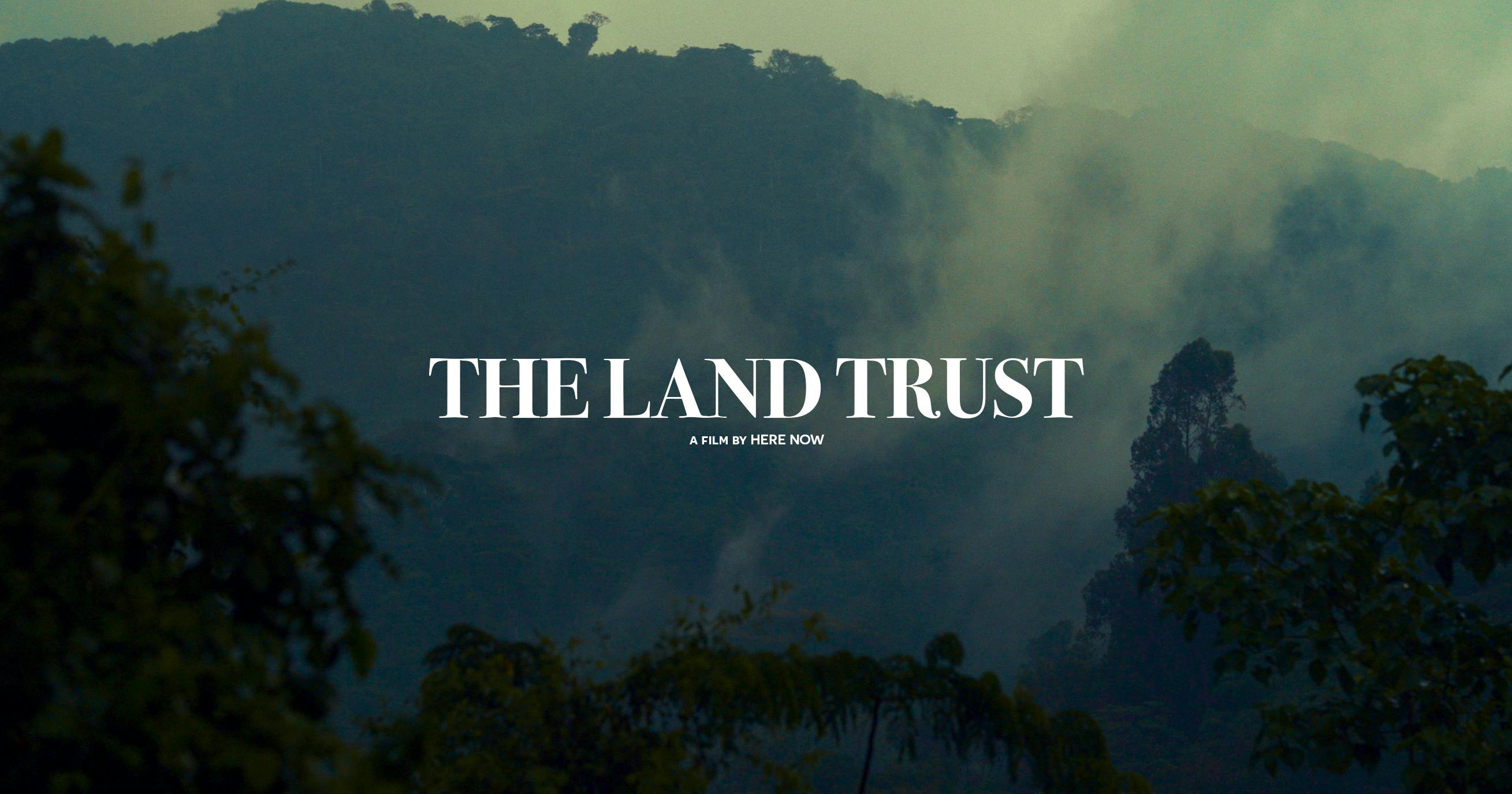
Info:
- Title: The Land Trust
- Director / Colourist: Oliver Couch
- Production Company: Here Now Films
- Camera(s): Sony FX6
- Software: Adobe Premiere Pro
Dehancer Tools Used:
- Film Profile: Kodak Vision3 500T
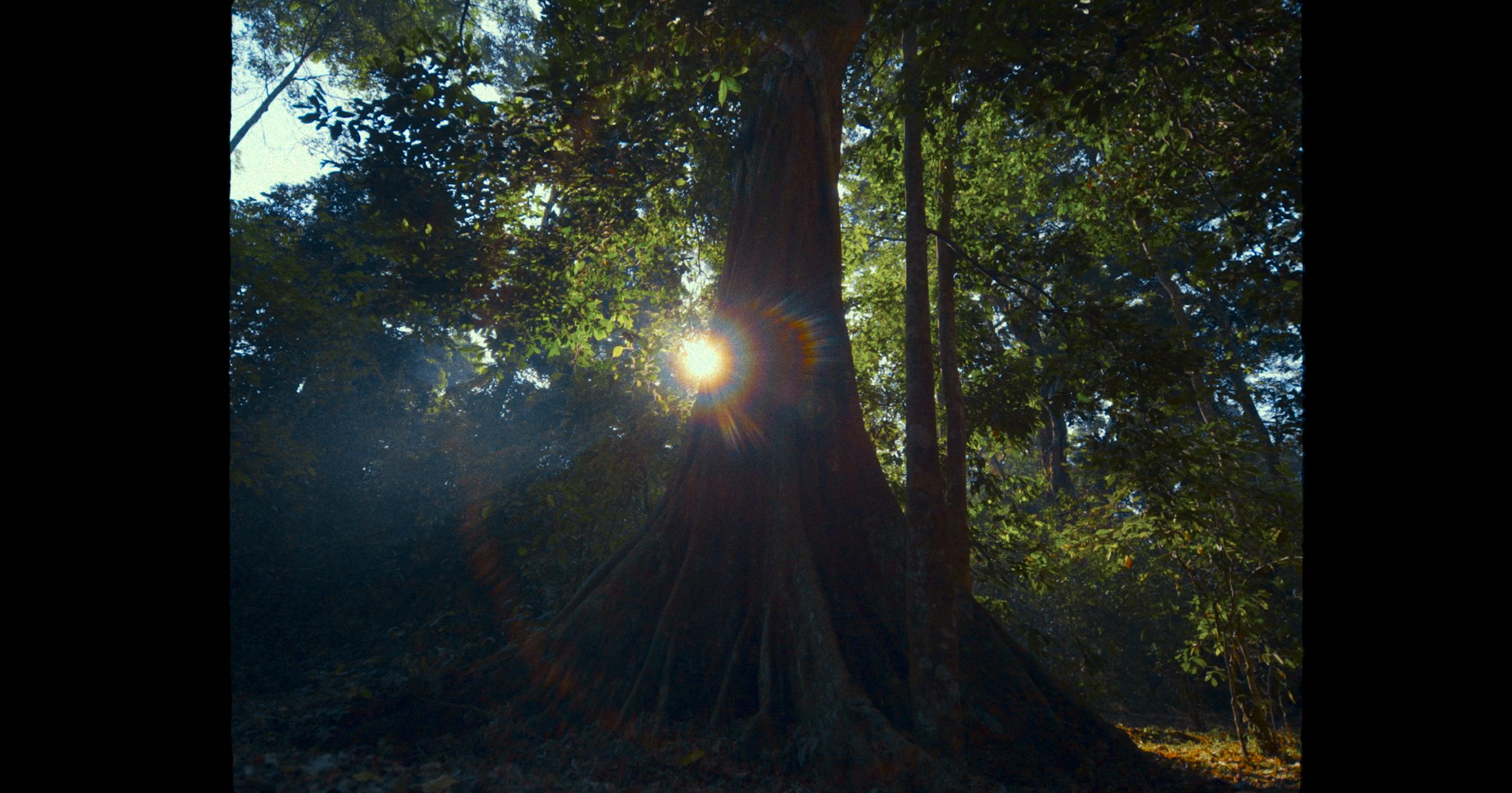
- Grain: 65mm ISO 50 for interviews and 35mm ISO 250 for textured B/W shots and Overscan shots
- Halation: Yes, on selected shots
- Bloom: Yes, on more textured shots like B/W and Overscan shots
'Here Now Films' is a documentary-focused production studio founded by Creative Director Oliver Couch and co-founder Ed Smit. The duo started the company six years ago in Cornwall, driven by a shared passion for authentic, human-led storytelling. What began in 2019 as a small, values-driven team in the South West has since evolved into one of London’s leading production companies - while staying firmly rooted in the mission to make honest, human stories accessible to everyone.
This commitment shapes every project they take on, whether working with global brands or supporting charities and NGOs that might not otherwise have access to high-end filmmaking.
Introduction The Land Trust: A Zero-Compromise Approach
For this production, the studio partnered with EcoTrust - a Ugandan NGO - on their initiative The Land Trust, which supports land management, carbon capture, and ecological protection across the extraordinary Rwenzori Mountains National Park.
From the outset, the studio approached the film with a single creative philosophy: zero compromise.
They refused to let the project become “just another environmental documentary.” Every camera movement had intention and meaning, and the crew treated the production like an expedition - hauling dollies, cinema lenses, and heavy camera packages up steep mountain paths and deep into rainforest terrain. The story demanded a cinematic approach, and the team was committed to delivering that standard.
One day in the Rwenzori foothills, the team described the experience as follows:
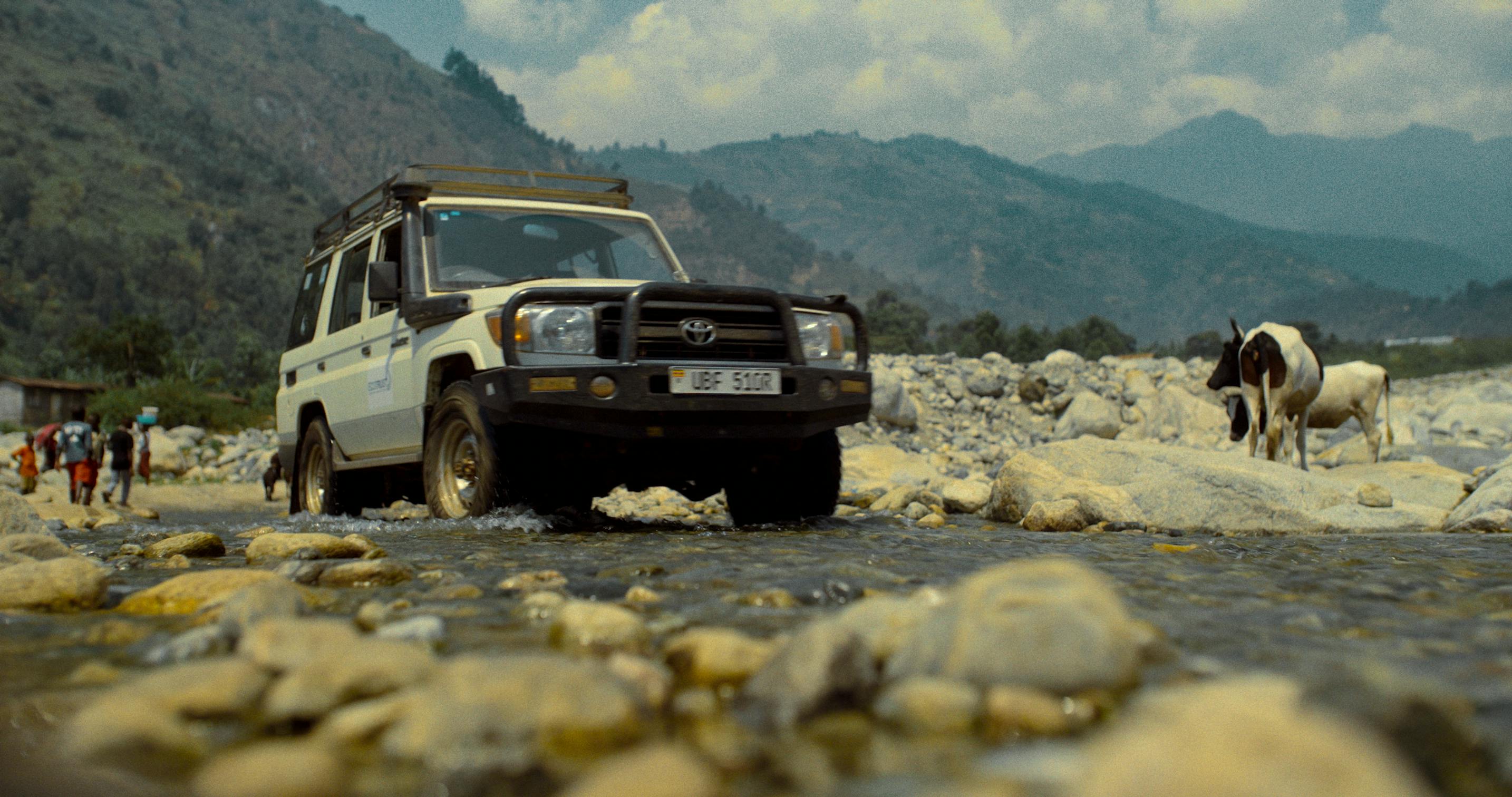
“Our days always began pretty rhythmically: walking to the dusty, early 2000s Toyota Land Cruiser, two Peli cases of gear in hand each. We’d load up and spend hours traversing relentless dirt tracks, usually headed for a rural community adopting a tree-planting project on the edge of a forest reserve.
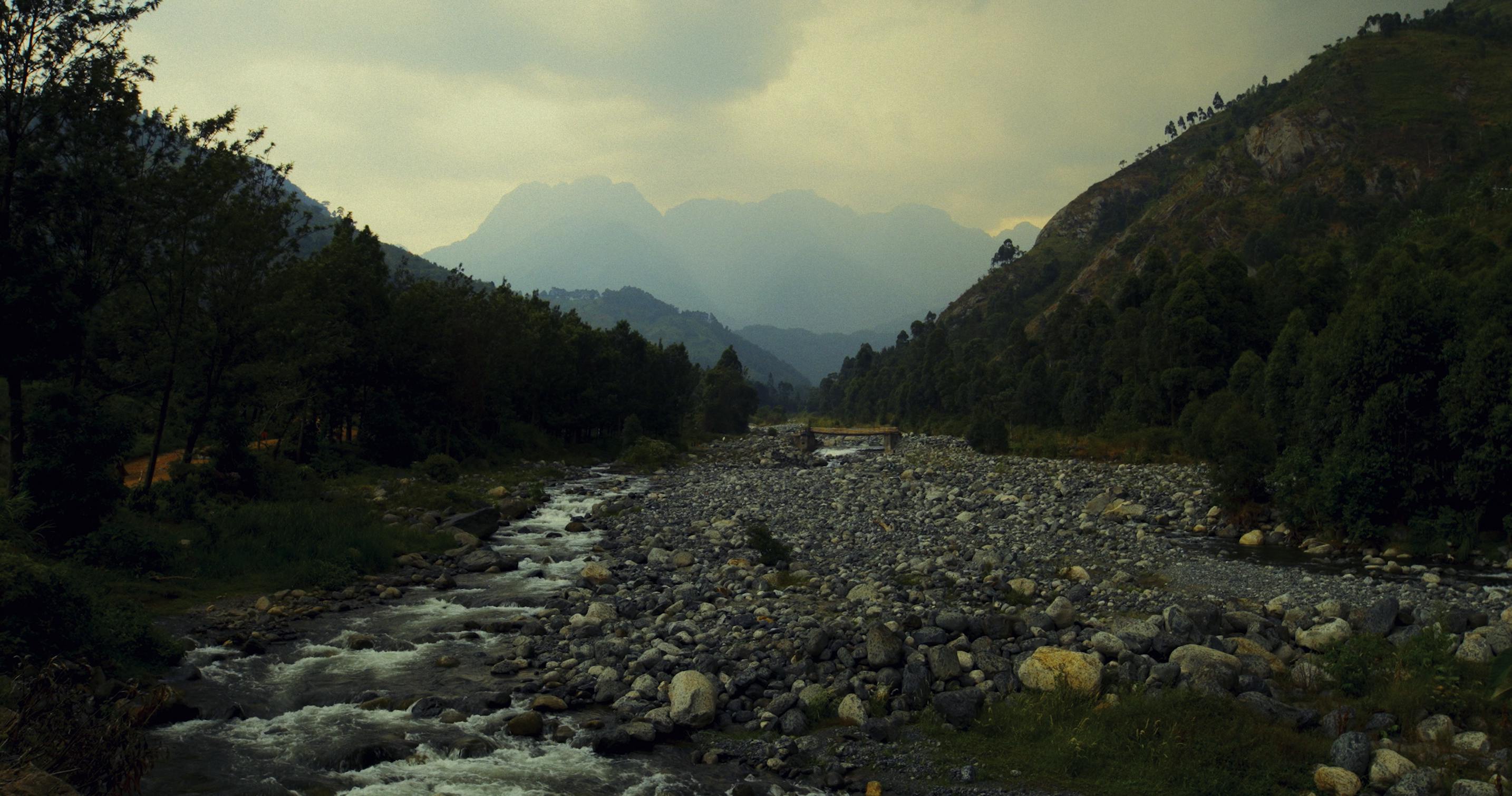
This day, however, our journey turned sharply upward, climbing the foothills of the mighty Rwenzori Mountains. As the Land Cruiser crossed a shallow river, we passed a village that had been visibly cut in half by a devastating flood years prior - a stark contrast to the idyllic landscape surrounding it. Yet, the temperature was a welcome relief; the suffocating high 30 degrees C heat broke, giving way to a comfortable mid 20s and with it the first rain we’d seen in 4 weeks.
We eventually stopped where the jungle met a shallow valley. Below, a fast-flowing mountain river rushed through a field of massive boulders. We descended, discovering a secluded hot spring by the water's edge. Looking up, the snow-capped peak of Africa’s third tallest mountain framed the scene. Though just twenty minutes from the dusty track we knew, this place felt worlds away.”
Project Vision: Texture and Soul
This documentary was not just another assignment for the studio - it was a deeply personal and logistically ambitious mission. The goal was to capture the full scope of EcoTrust’s work across four remote regions of Uganda, each visually spectacular and incredibly demanding to film in.
Here Now Films aimed to elevate these stories to a global audience with an intentional, cinematic approach focused on structure, composition, and emotional presence. Instead of a traditional observational style, they opted for locked-off shots and purposeful movement to give each human story room to breathe.
A large part of the studio’s visual strategy was achieving a tactile, film-inspired look, drawing heavily from the aesthetic of Kodak Vision3 500T.
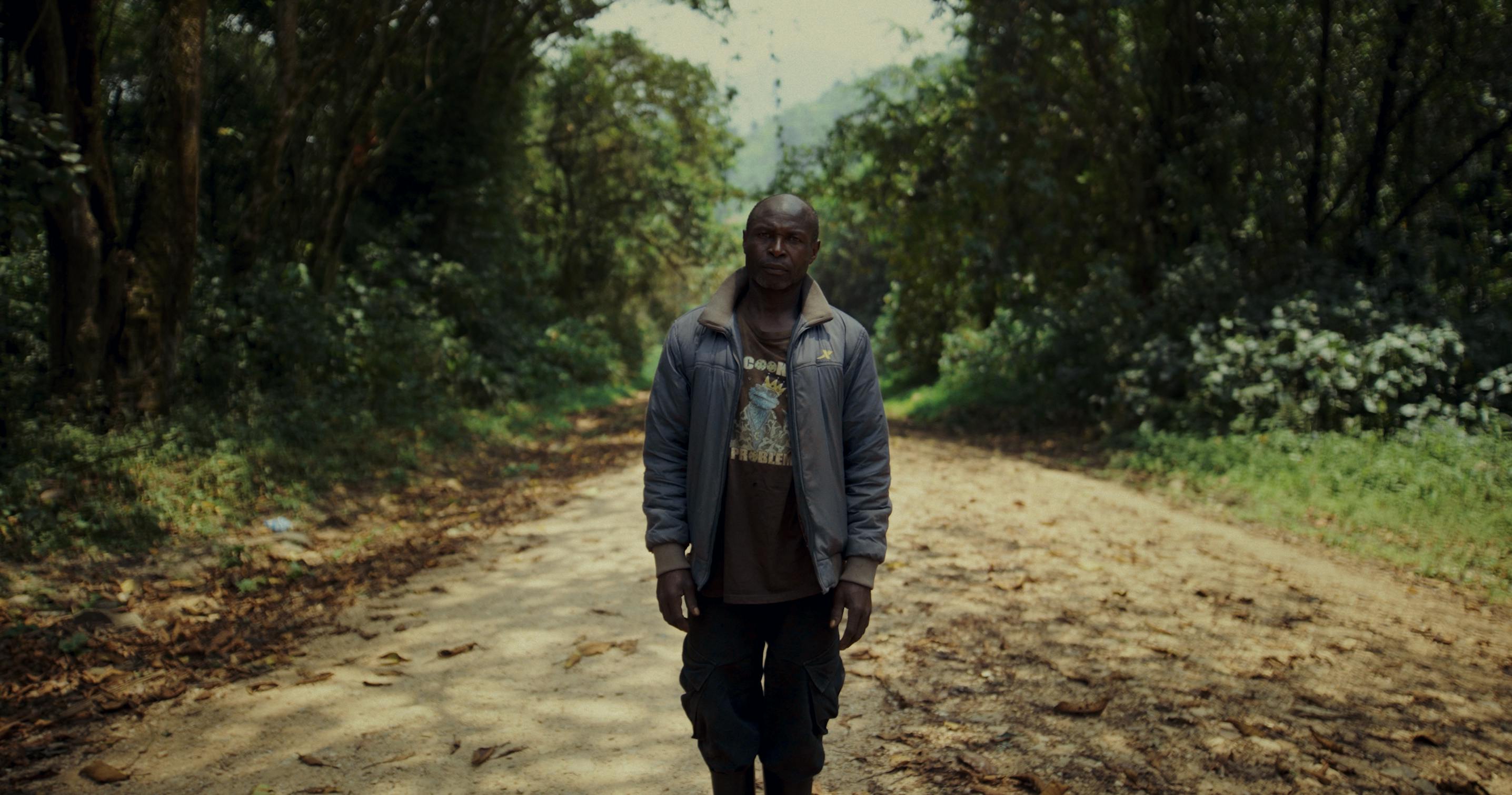
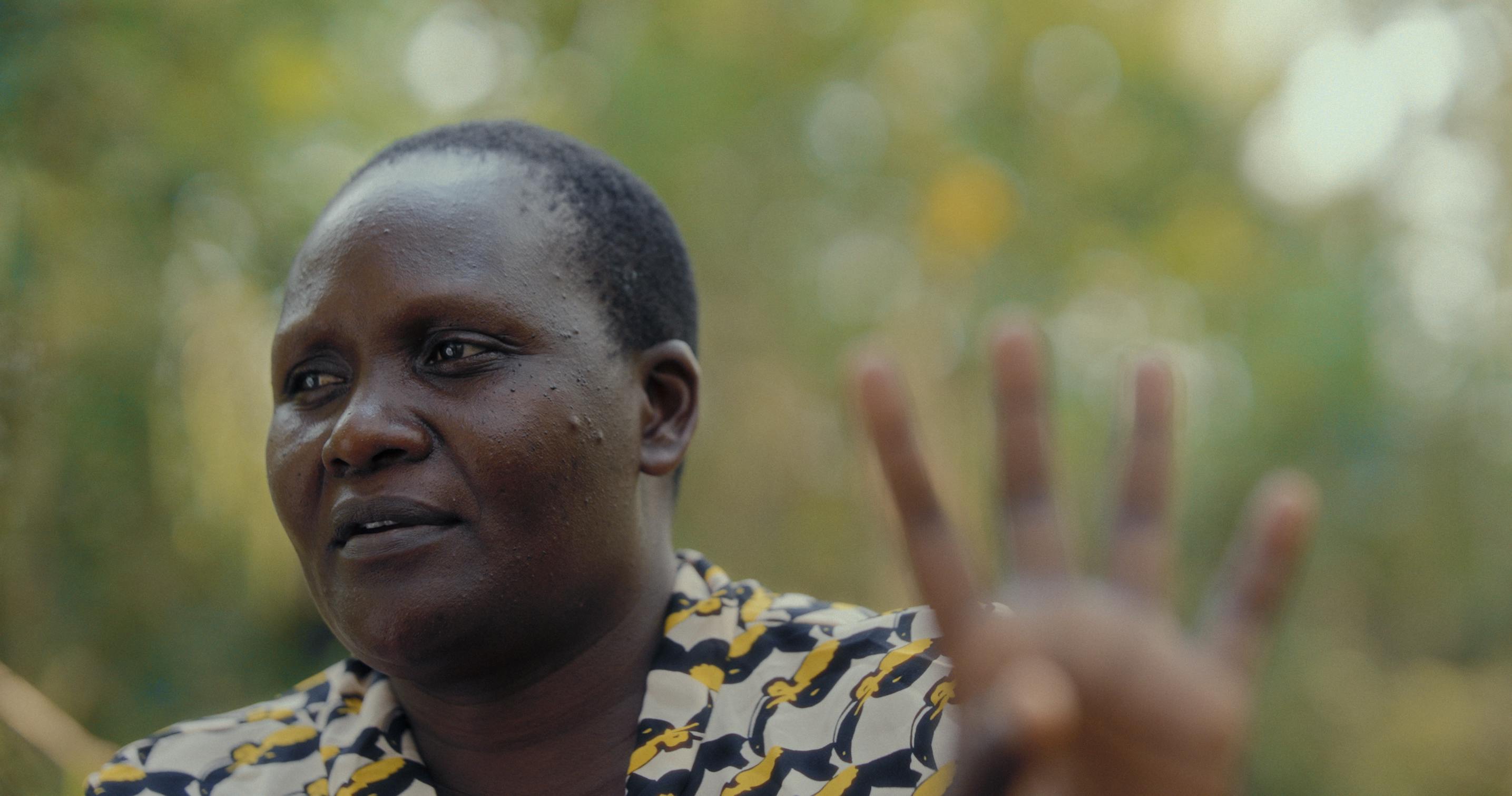
“My intention was to create a tactile reality for the viewer. I guess a visual language that speaks to the lovely, human complication, while communicating some of the most important infrastructure projects in Uganda.
This complexity is woven directly into the film’s opening. We pair profile shots of the people who inhabit these landscapes with ambient nature sounds and a brass track that feels intentionally imperfect, complete with irregular tempo and natural reverb. For me, the color and texture had to mirror this layered soundscape. I want the audience to feel the coexisting, varied realities we encountered on the trip; the beauty alongside the struggle, the routine alongside the monumental effort. The overall feeling should be intimate and immersive, connecting the viewer to these individuals as if they were looking at a deeply honest, family portrait.”
The Challenge: Maintaining Visual Consistency Across Uganda’s Diverse Environments
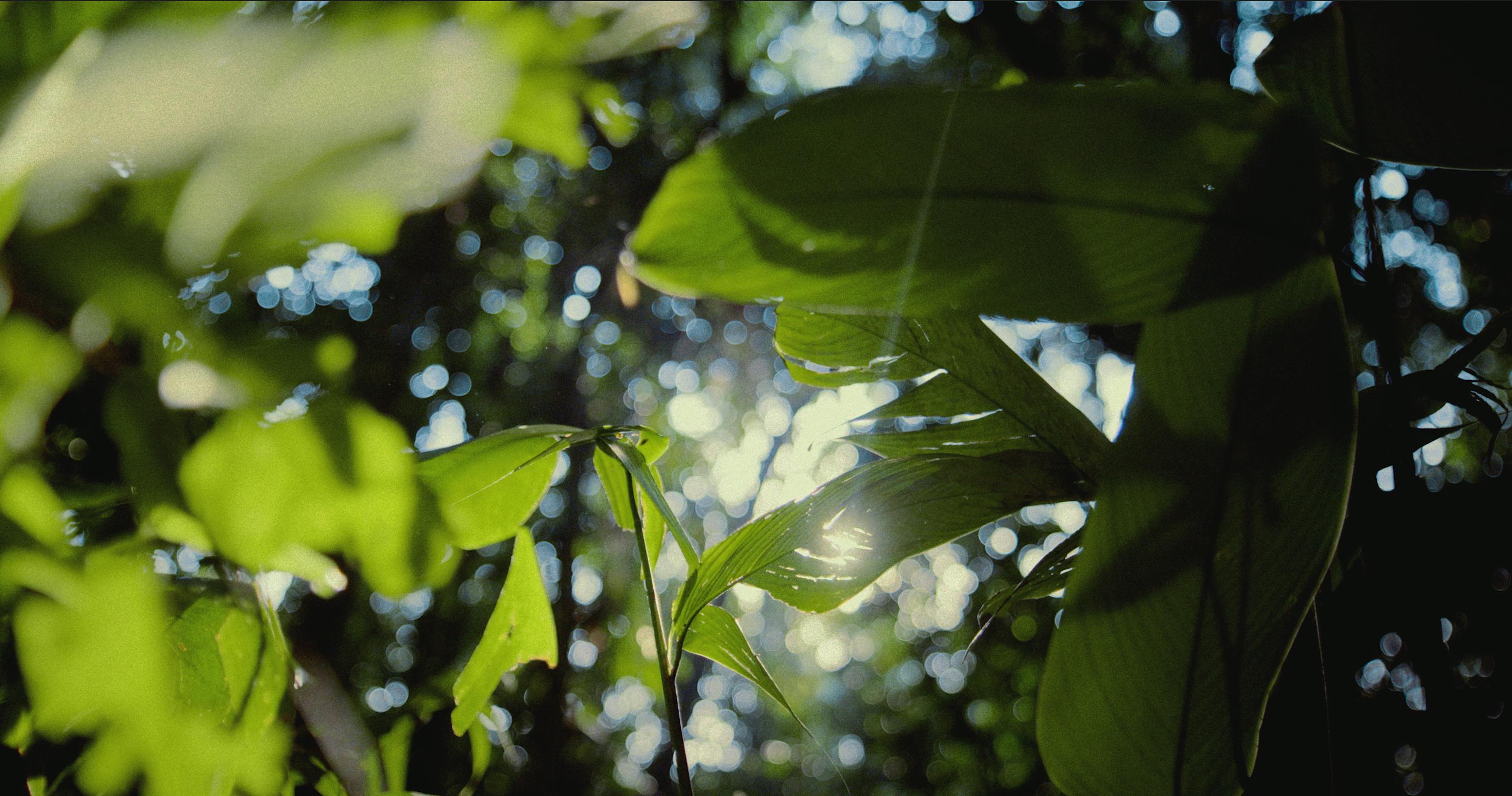
Uganda spans five unique climatic zones, with environments ranging from dense rainforest to high-altitude mountains to vast savannah. Each location introduced new challenges in colour, contrast, skin tones, and texture.
Maintaining a cohesive visual identity across such diverse conditions became one of the project’s central challenges - especially given the scale, crew rotations, and multi-location workflow.
The Solution: Integrating Dehancer Into the Adobe Premiere Pro Workflow
Here Now Films is fully standardised on Adobe Premiere Pro, and the team integrated Dehancer directly into their workflow to create a unified, signature aesthetic across all edits.
With multiple editors and teams working in parallel, having a shared colour pipeline became essential for both scalability and creative cohesion.
As Ollie notes: “Ultimately, it gives us a different flavour to other production companies.”
For smaller productions where film stock or premium cine lenses aren’t feasible, Dehancer provides a powerful alternative - allowing the team to achieve the cinematic richness they want even with limited resources.
Dehancer’s film profiles, halation, bloom, grain engine, and tactile colour tools played a significant role in helping the team maintain their “texture and soul” aesthetic consistently across all scenes and shooting conditions.
The Results: Consistency Across Every Piece
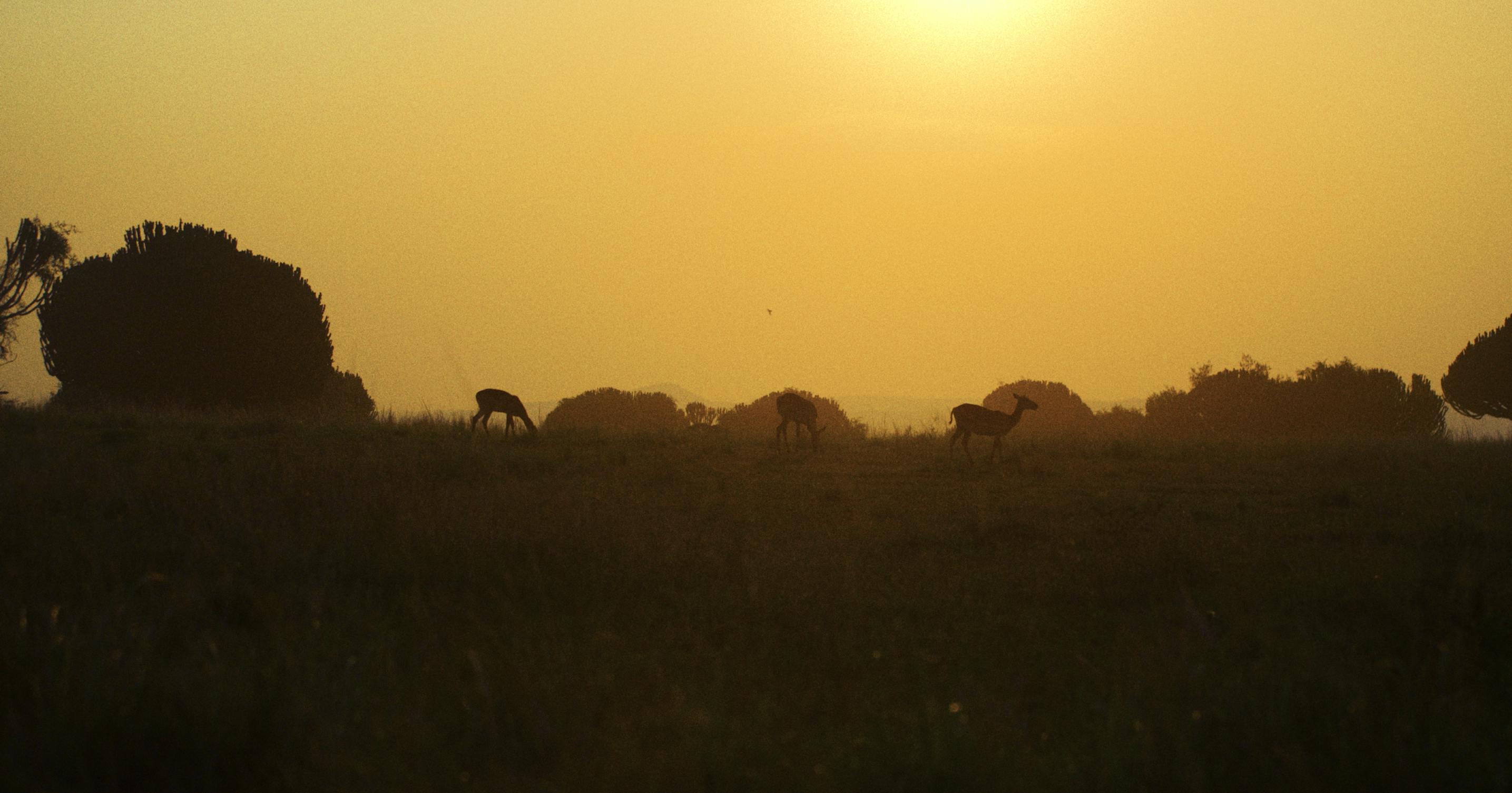
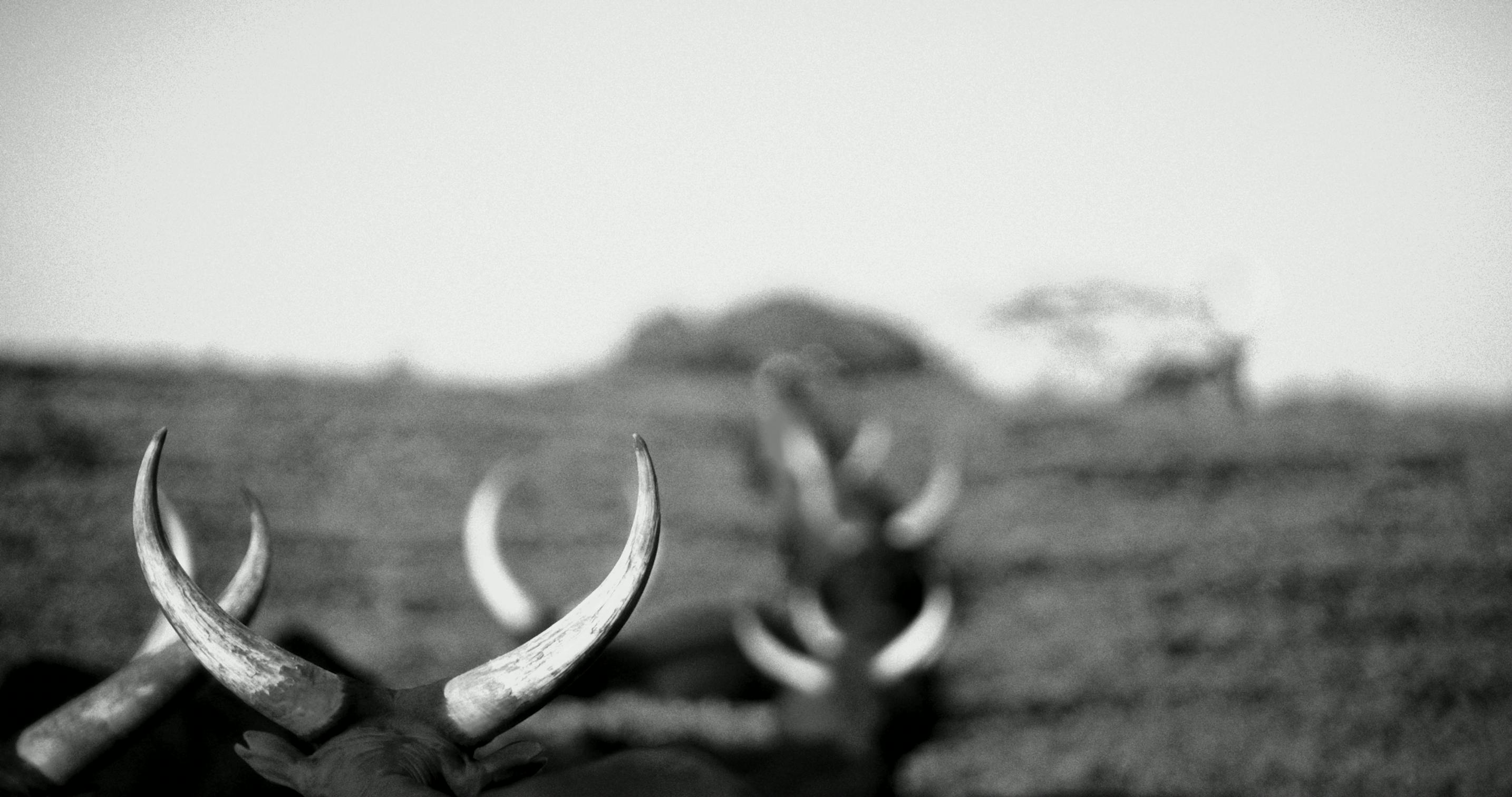
The most significant outcome was the visual consistency achieved across every piece of the documentary - despite the differing environments, editors, and on-the-ground challenges. The studio finally achieved the specific aesthetic they’d been chasing: strong density, deep shadows, authentic texture, and distinctive halation in highlights.
Because the workflow was intuitive, lead colorists and editors were able to focus more deeply on creative exploration rather than technical problem-solving.
Conclusion
The project reinforced a fundamental truth for the team: cinematic ambition often clashes with documentary budgets. However, they learned that achieving a high-end, filmic look doesn’t have to rely on expensive film stock or specialty lenses - only a thoughtful, well-built workflow.
Here Now Films continues to push this approach forward and is already preparing to bring the same visual methodology into an upcoming multi-country documentary.