

Author: Toshiki Yukawa
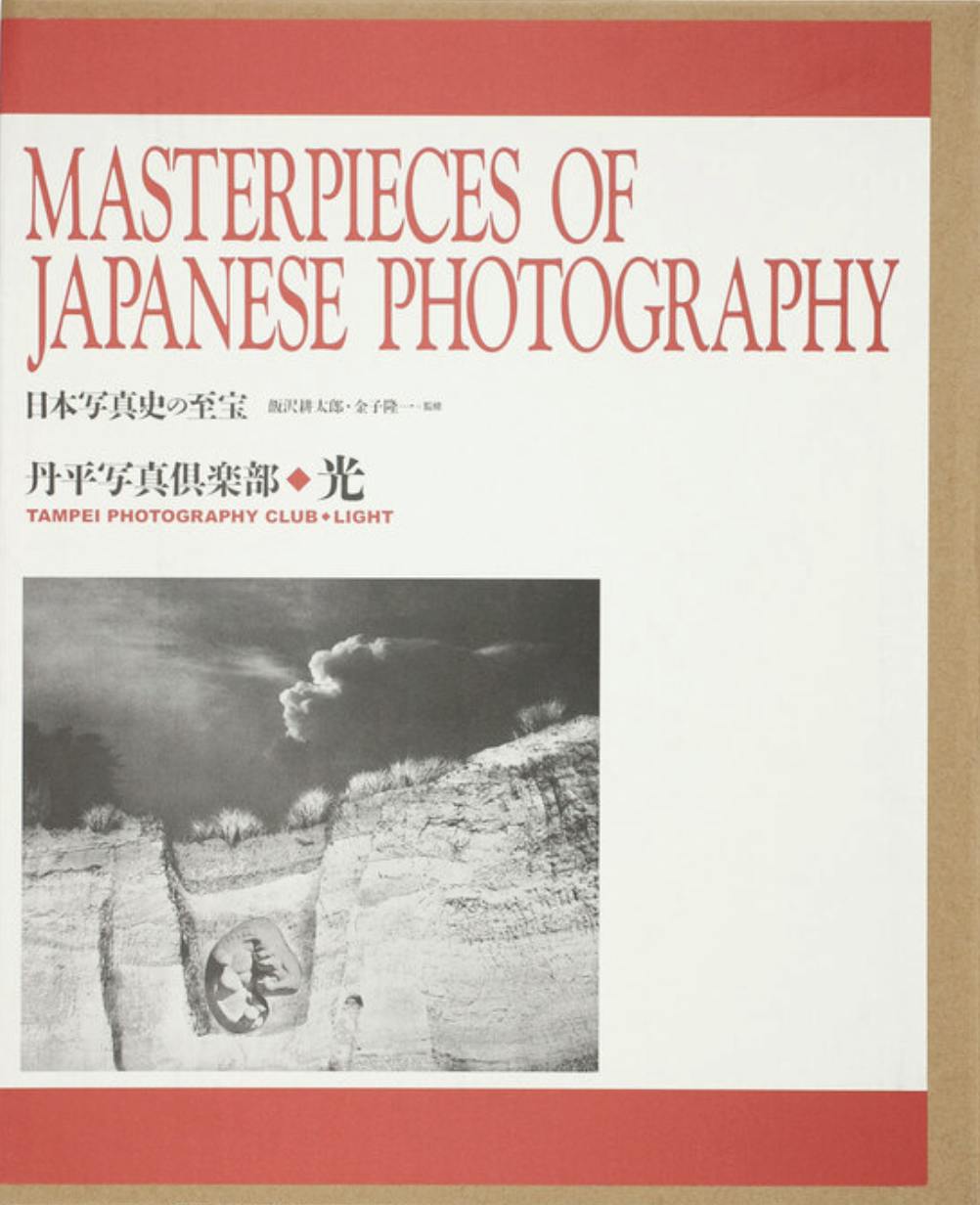
“Making tomorrow’s photograph better than today’s is good.”
This simple line was written in 1940 by Nakaji Yasui, one of Japan’s most influential yet understated photographers. It appears in his 48 Virtues for Photographers (Shashinka 48 Yoroshi), a collection of principles describing the mindset and attitude he believed photographers should cultivate. Regardless of genre or experience level, these virtues can feel like a quiet guidebook - offering encouragement, discipline, and a reminder that the concerns we face today have long been shared by others.
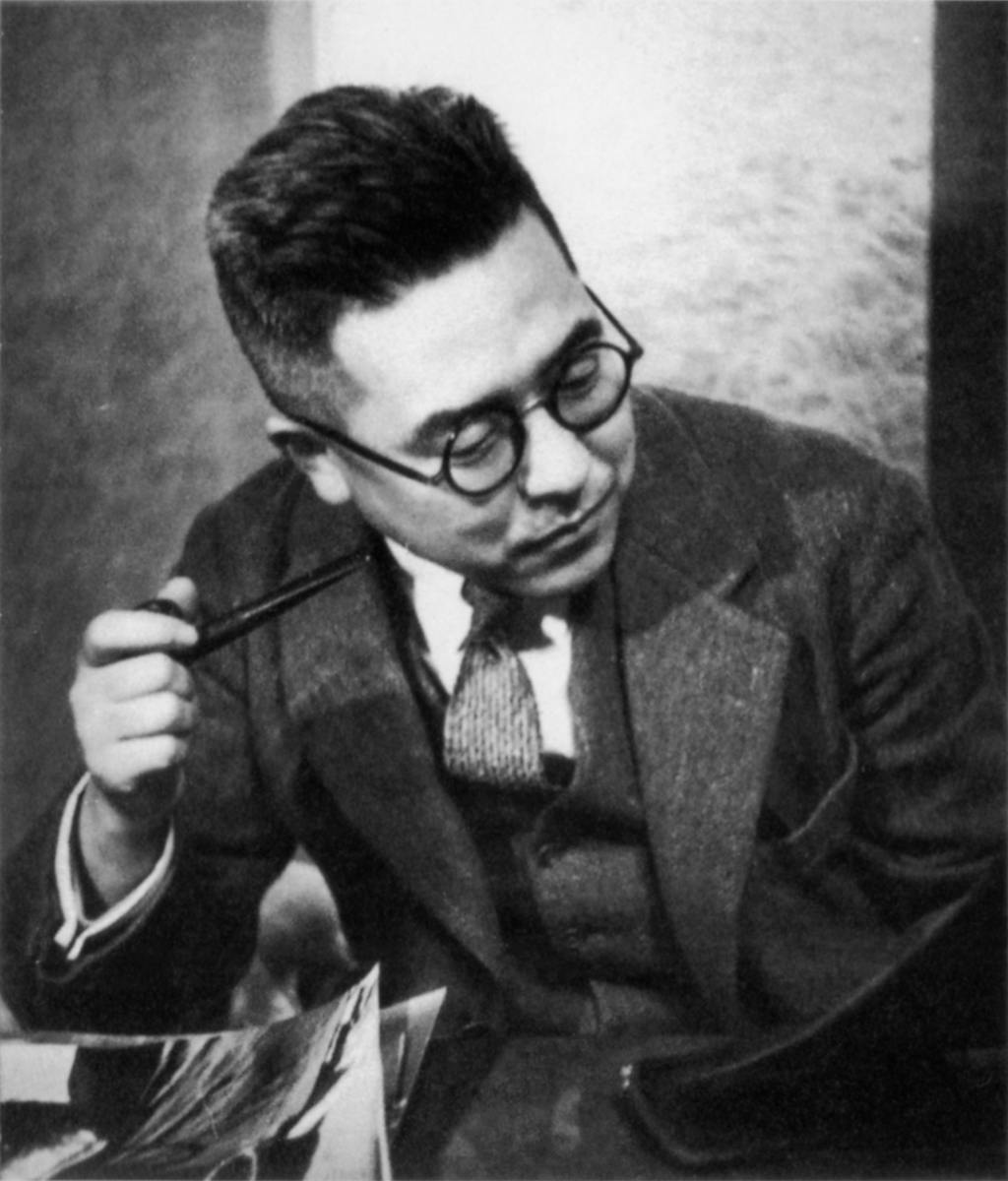
Who was Nakaji Yasui?
Born in Osaka in 1904, Yasui grew up writing poetry and tanka with friends at Myojo Commercial School. This early exposure to wide-ranging artistic expression helped shape the sensibility that would define his photographic voice. He became serious about photography as a teenager, and in 1922 joined the prestigious Naniwa Photography Club in Kansai. By 18, he was already a central figure in the group, consistently selected for exhibitions and quickly emerging as one of the region’s key talents.
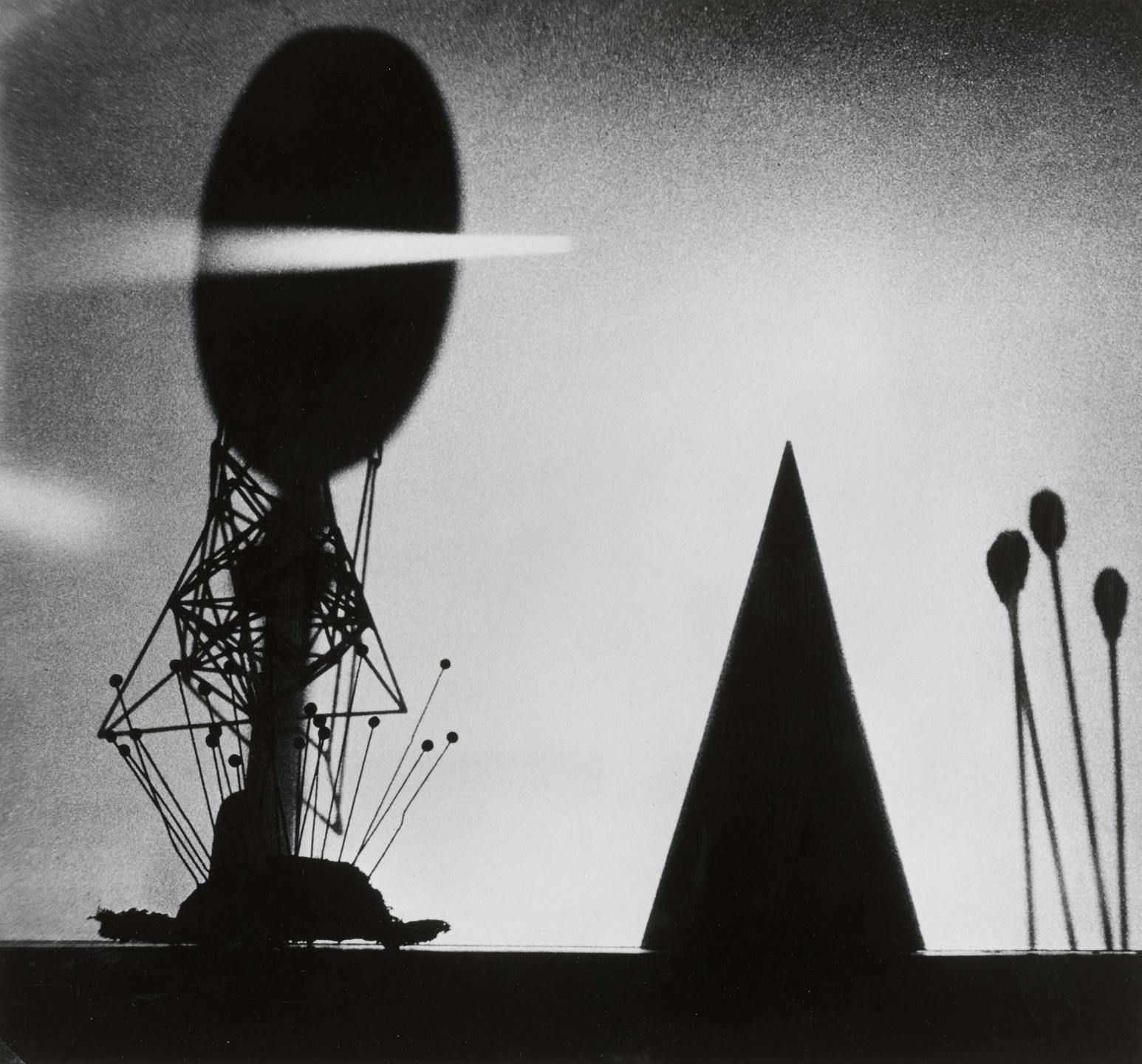
Yasui’s photographic style was never confined to one approach. Over his short life, he moved through pictorialism, straight photography, photomontage, and candid street photography. His work would later influence generations, including Daido Moriyama, who admired him deeply and eventually published Journey to Nakaji in homage.
One of Yasui’s most recognized series is Wandering Jewish People (Rubo Yudaya). In 1940–1941, Polish-Jewish refugees fleeing Nazi persecution arrived in Kobe on transit visas issued by diplomat Chiune Sugihara. Yasui, moved by their presence and circumstances, organized a session with fellow members of the Tampei Photography Club to document their lives. The resulting series remains a historically and emotionally important body of work.
Tragically, only a year after this project, Yasui’s long-standing kidney issues worsened. He passed away in March 1942, at only 38 years old - leaving behind a body of work that feels both experimental and deeply human.
48 Virtues for Photographers (1940)
Yasui wrote these principles as short, clear statements, each ending with “ - is good.” They reflect his philosophy: humble, curious, disciplined, and unafraid of struggle. A selection includes:
- Having a slump, even a big one, is good.
- Not admiring worthless things is good.
- Photographing what strikes you suddenly is good.
- Having confidence with a gentle smile is good.
- Truly living your own life is good.
- Being awkwardly skilled or skillfully awkward is good.
- Not trying to photograph what cannot be photographed is good.
- Accepting criticism that stings is good.
- Thinking logically, even excessively at times, is good.
- Using film coatings wisely and avoiding waste is good.
- Not copying others, even among like-minded people, is good.
- Indulging a little when flattered is good.
- Studying until you truly understand is good.
- Not showing off your camera is good.
- Using film that works even at night is good.
- Not attempting what nobody can do is good.
- Taking gatherings and exhibitions seriously is good.
- Creating quiet, restrained, and substantial works is good.
- Always staying close to your camera is good.
- Being enthusiastic and persistent is good.
- Enjoying stepping out of the darkroom in summer is good.
- Doing good work, even if it is easy, is good.
- Making good work, even if forced, is good.
- Understanding that a photograph turning out is natural is good.
- Not being like a frog in a well, showing some conceit, is good.
- Cooling down overly enthusiastic photographers is good.
- Having more female photographers is good.
- Knowing that the camera around your neck is not just for show is good.
- Quitting if you want to quit is good.
- Persevering if you are unskilled is good.
- Not being careless is good.
- Ensuring a smooth supply of film is good.
- Not thinking that this path is the only way is good.
- Taking Sundays to restore your energy is good.
- Having some rivals or enemies is good.
- Not spoiling amateurs is good.
- Inspiring indifferent or jaded people is good.
- Learning from works you dislike is good.
- Creating with ambition is good.
- Having more people with discerning eyes is good.
- Washing prints carefully is good.
- Not fearing minor failures is good.
- Treating connected models with care is good.
- The selling of albums by Hikari is good.
- Almost getting recommended, but missing is good.
- Getting praised occasionally is good.
- Not being arrogant is good.
- Making tomorrow’s photograph better than today’s is good
Although each line is short, together they form a portrait of Yasui himself - honest, hardworking, playful, and deeply respectful of the craft.
Do any of these resonate with you?
Though written in 1940, these virtues feel surprisingly modern. They show that while tools and technology evolve, the emotional landscape of photography - its frustrations, joys, doubts, and breakthroughs - remains timeless. Artists of all kinds spend much of their lives in solitude. If the words of a Japanese photographer from nearly a century ago can still sitbeside you today, offering encouragement or companionship, that in itself feels quietly romantic.
